Shang Oracle Bones (Jiaguwen)
The birth of Chinese literacy was inextricably intertwined with mantic technology: the inscriptions on these bones (*Jiaguwen*) form the ancestral root of all East Asian character writing.
Core Symbolic & State Mechanism
Diviners carved hollow pits into the reverse side of bovine shoulder blades (scapulimancy) or turtle under-shells (plastromancy), then inserted red-hot metal rods. Unequal thermal expansion generated T-shaped or violent horizontal fissures on the polished obverse face, interpreted as the voice of the royal ancestors (Di).
Stochastic Randomization Algorithm
Thermodynamic material stress fracture dynamics along pre-carved micro-grooves, producing binary crack angles (favorable vs. unfavorable) subsequently inscribed with the logographic 4-part charge.
Key Historical Treatises & Artifacts
- Anyang Yinxu Royal Plastron Archives (Pit YH127)
- Bovine Scapula of King Wu Ding (c. 1200 BCE)
- Diviner Zheng Inscribed Turtle Shells
Primary Archaeological Artifacts & Facsimiles
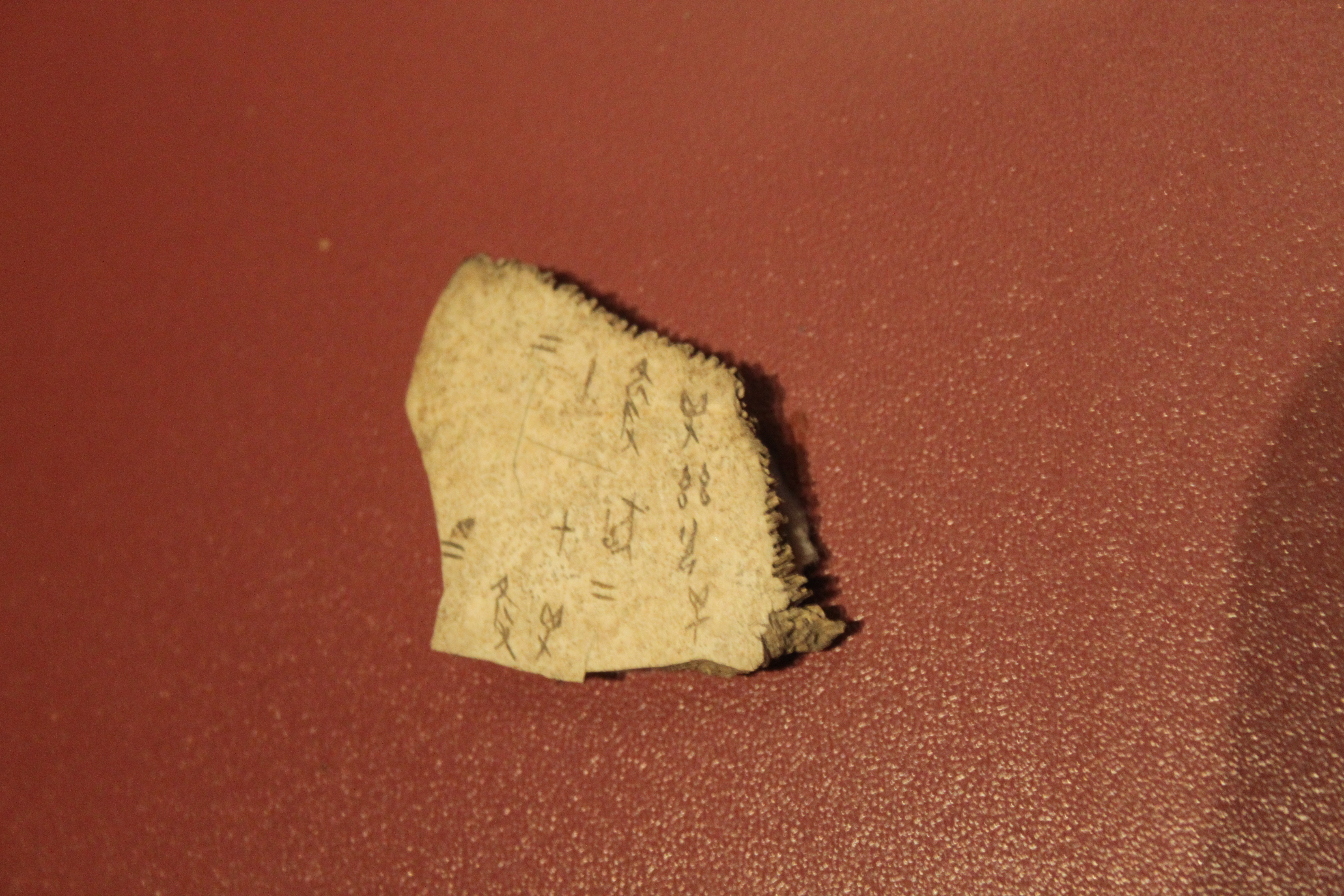
Inscribed Turtle Plastron of King Wu Ding
Royal Yinxu Pit YH127 Archive (Anyang, Henan)
Authentic Shang Dynasty turtle under-shell (plastron) bearing thermodynamic heat-fracture cracks (卜 bu) and engraved Jiaguwen logographic inscriptions recording state crop yields and ancestor sacrifices.
Primary surviving archaeological evidence of the birth of Chinese writing and state pyromancy. The 4-part charge format (preface, inquiry, prognostication, verification) established the foundational syntax of Chinese historiography.
Turtle Plastron & Scapula Fracture Workbench
Crack-making on day Guisi (癸巳), diviner Zheng presiding.
Inquiring: 'Di (the High God) will send down plentiful rain upon the millet fields in the coming decade.'
(Locked — Apply fire to fracture the bone)
(Locked — Awaits royal historical outcome)
Celestial Ephemeris & Astronomical Timing: Shang pyromancy was strictly scheduled by the 60-day sexagenary calendar and full moon syzygy offerings to royal ancestors.